
September 25, 2026
Receptive Language Skills
The Nancibell ® Visualizing and Verbalizing ® for Language Comprehension and Thinking
This week I continued my understanding and exploration of receptive language. I have a few school age friends who, when asked simple questions about their day or after reading a story, give me and their parents a blank look. If they do know the answer, it is told briefly with no details, no picture of the memory to draw from.
I purchased the curriculum Visualizing and Verbalizing ® which was introduced to me by one of my field placements in graduate school. I wanted to understand why my little friends were not understanding. What was impacting their comprehension? Why wasn’t reading a passage or learning to answer a WH question enough?
The answer according to Nanci Bell is that the verbal code alone is not enough. We also need imagery, the ability to see pictures in our mind – a gestalt if you will. A gestalt is the understanding of the whole, and then how it is broken down into parts. Both of these elements are part of the Dual Coding Theory which helps to explain how comprehension occurs.
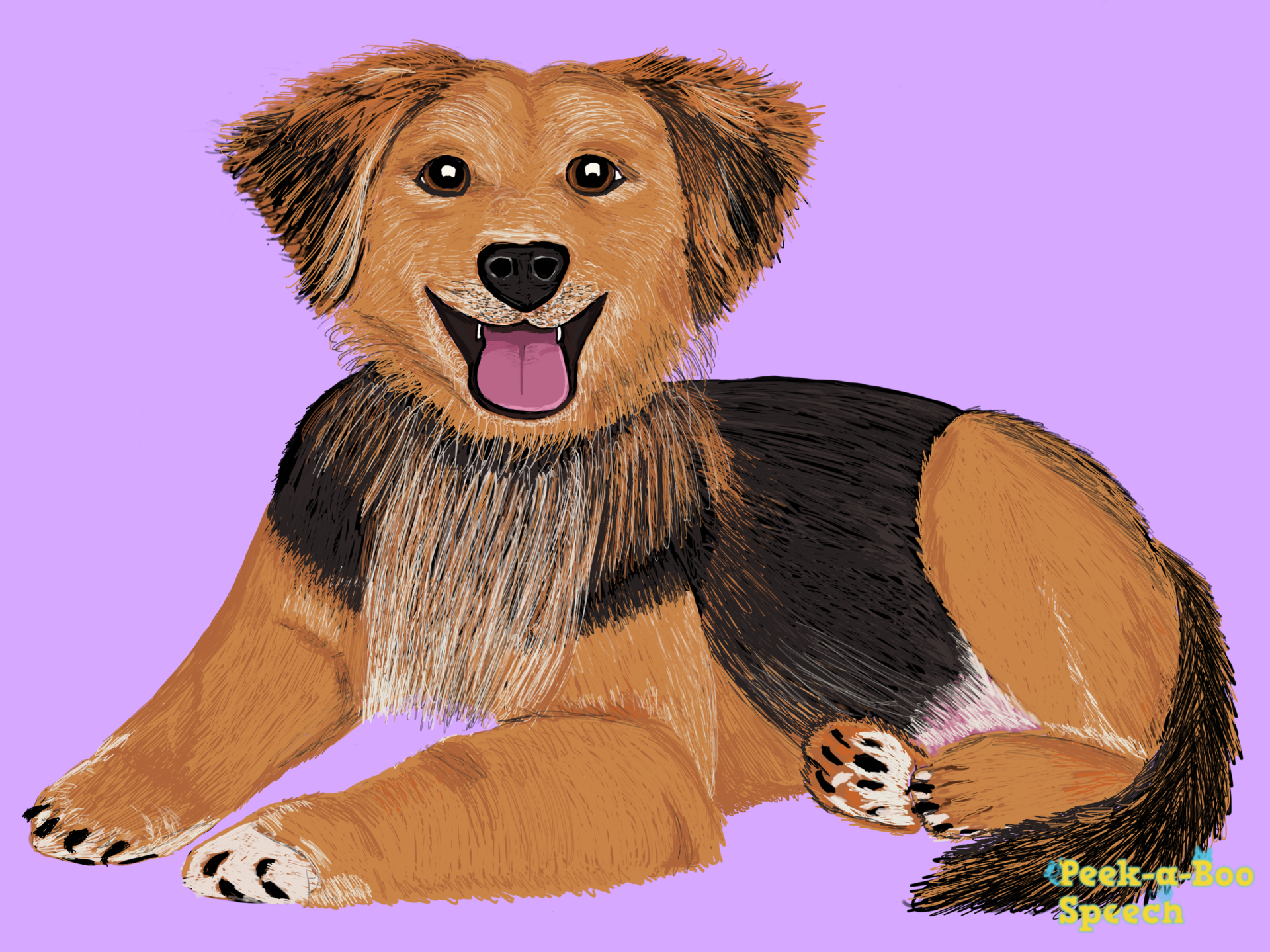
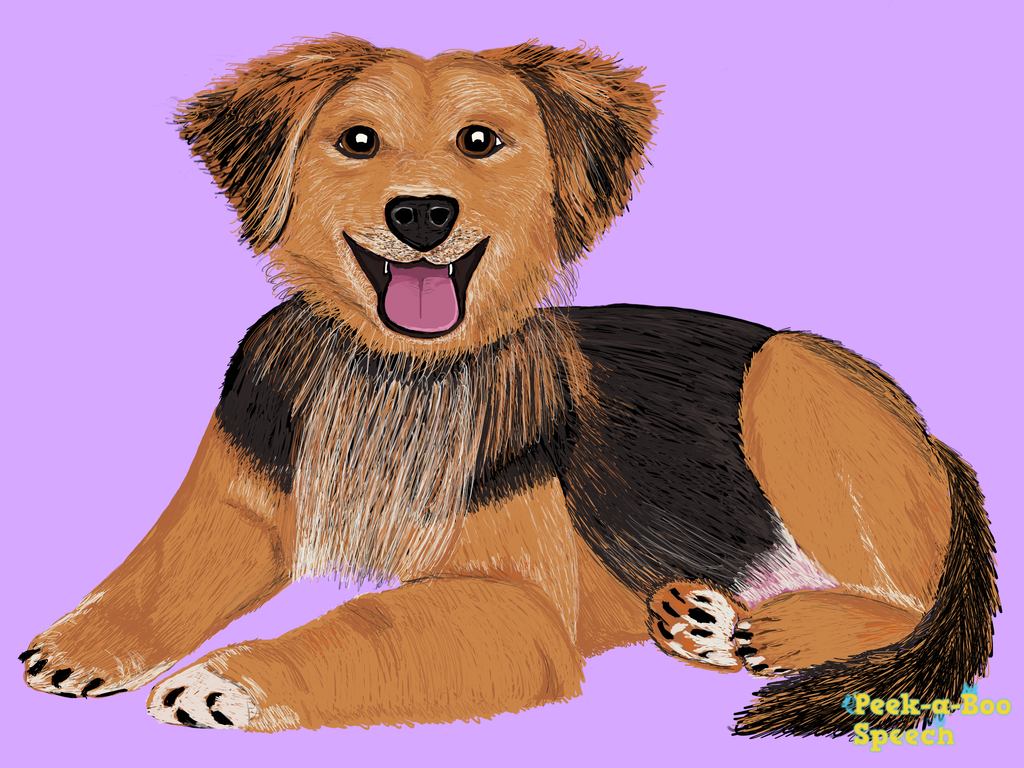
Many children will listen to a story and only pick up incomplete details; the details do not come together to create a whole picture, so comprehension is lost. Visualizing and Verbalizing ® systematically helps a child learn to first verbalize whole to part while looking at a picture. Structure words are given to help learning to describe including “what”, size, color, number, shape, “where”, movement, mood, background, perspective and sound.
Once a child learns to verbalize an image they can see, the image is removed and the visualization begins where words, sentences and short stories are introduced to help a child visualize to build comprehension. If I can hold an image in my mind of a memory or a reading passage, I am using my memory to draw out the details and answer questions.
I am only at the beginning of the visualize and verbalize sequence with my school age friends but I am already seeing its benefits. Here’s to building better communication skills one image at a time!